Glendale & surrounding areas
Acoustic Treatment Installation Glendale AZ
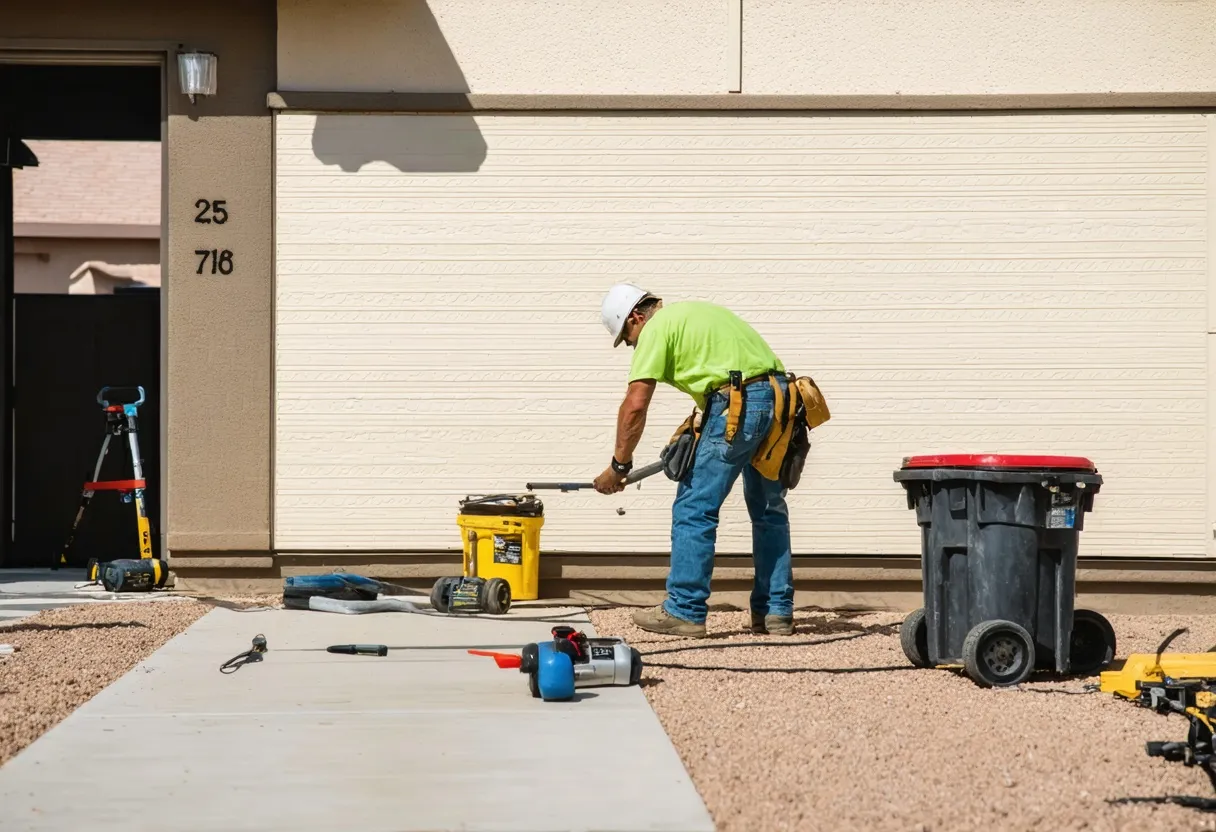
Glendale's housing stock is overwhelmingly stucco-exterior and tile-over-slab construction, which is exactly the combination that makes a great-sounding home theater hard to build without local expertise. Stucco and tile are dense, rigid, and non-absorptive, so instead of soaking up sound the way a wood-frame wall with carpet does, they bounce it back into the room — turning dialogue muddy, blurring surround imaging, and letting bass ring on instead of stopping cleanly the moment a scene cuts. Add in desert sun exposure that pushes wall-cavity and window-adjacent temperatures well past what standard foam and adhesive-backed fabric panels are rated for, and you have two problems layered on top of each other that a generic acoustic treatment plan written for a mild-climate, wood-frame house simply doesn't solve.
Acoustic treatment installation in Glendale, AZ only works when panel layout, mounting hardware, and material selection are engineered around those two realities from the first site visit, not bolted on afterward. That's the premise behind how we build every room here: masonry- and tile-rated anchoring, heat- and UV-rated materials, and pricing broken into clear tiers up front instead of one number handed over after a sales pitch — combined with financing and a lifetime warranty on the installation itself, a package we haven't found any other Glendale acoustic treatment installer offering in one place.
Signs Your Glendale Room Needs Acoustic Treatment
How We Assess a Stucco or Tile Room Before Quoting
We identify whether the room is stucco, tile-over-slab, drywall, or a mix, because each surface needs a different anchor type and absorbs sound differently, and getting this wrong is the most common reason an out-of-market install underperforms.
We note window orientation, skylights, and west-facing stucco walls that bake through Arizona afternoons, since that heat load determines which panel and adhesive tier will actually hold up long-term instead of sagging or fading within a few summers.
We do a listening walkthrough to locate first-reflection points, corner bass buildup, and any tile-floor slap-back specific to your room's dimensions and seating position, rather than applying a generic panel layout to every job.
You get a written plan showing reflection-control-only pricing next to full soundproofing pricing, so you can choose based on your actual goal — clarity or containment — instead of guessing which quote is fair.
Why Stucco Walls and Tile Floors Behave Differently Than Drywall
Most acoustic panel products, adhesives, and mounting hardware sold nationally are designed around a wood-stud wall with drywall and a carpeted or engineered-wood floor. That's not what a typical Glendale room is built from, and the difference isn't cosmetic — it changes how sound moves through the space and how treatment has to be installed to actually work.
Vertical Surfaces: Stucco and Masonry
Stucco exteriors and interior masonry or block walls are dense and rigid. Where a drywall-and-stud wall flexes slightly and dissipates some sound energy, a stucco or masonry wall reflects almost all of it straight back into the room. That's what produces the harsh, "slappy" quality homeowners describe — a distinct echo off the back or side wall a fraction of a second after dialogue plays. It also means standard drywall anchors won't hold panel weight securely over time; mounting requires masonry-appropriate anchors and fastening techniques chosen for the actual wall material, not assumed from a install manual written for a different climate.
Horizontal Surfaces: Tile Over Slab
Tile-over-concrete-slab flooring, common throughout Glendale for durability and heat management, does the same thing on the horizontal plane that stucco does vertically: it bounces sound back up into the room instead of letting it get absorbed the way carpet or padding would. Tile is also increasingly used as an accent wall surface in newer builds, which needs its own anchoring approach so a mounting screw doesn't crack the tile or void a manufacturer's finish warranty. Wall treatment alone in a tile-floored room usually leaves a hard, reflective floor still working against you — floor-level treatment or area rugs are often part of a correctly scoped plan, not an optional add-on.
Heat as a Materials Problem, Not Just a Comfort Problem
Arizona sun exposure isn't just a comfort issue for the room's occupants — it's a materials-science problem for the panels themselves. Rooms with west-facing windows or exterior stucco walls that bake all afternoon can push interior wall-cavity temperatures well above what standard acoustic foam and fabric-wrapped panels are rated for. Cheaper foam softens, off-gasses, and eventually sags when mounted against a wall that regularly runs hot; lower-grade adhesive backing on fabric-wrapped panels can separate from the frame after a few Glendale summers, and UV exposure through windows fades fabric unevenly. We spec materials rated for sustained heat and UV exposure and select fabric wraps and adhesives built for this climate rather than the mildest conditions a manufacturer happened to test in.
One Installer, Three Protections in Every Glendale Quote
Tiered, written pricing, financing that spreads the cost of a full room build into monthly payments, and a lifetime warranty on installation workmanship — all three, on every acoustic treatment project we build in Glendale, with no need to piece the protections together from separate contractors.
Acoustic Treatment Questions Glendale Homeowners Ask
Does acoustic treatment work on stucco or tile walls, or do I need to remove them first?
No removal needed. Panels and bass traps are surface-mounted using anchoring methods appropriate to masonry and tile, so the mounting is secure without cracking the finish. Treatment adds absorption in front of the hard surface rather than modifying the wall itself.
What's the actual difference between acoustic treatment and soundproofing?
Acoustic treatment controls how sound behaves inside a room — reducing echo, taming bass buildup, improving clarity. Soundproofing stops sound from traveling between rooms using mass, decoupling, and sealing. Most people who ask for "soundproofing" actually want acoustic treatment; we clarify which one solves your specific problem before quoting either.
Will Arizona heat really damage my acoustic panels over time?
In rooms with direct sun through windows or exterior stucco walls that heat up significantly in summer, standard foam and lower-grade fabric panels can soften, sag, off-gas, or fade faster than in milder climates. We spec heat- and UV-rated materials specifically to avoid that outcome.
Can treatment be added to a home theater that already has an audio system installed?
Yes. We assess the existing speaker layout first so panel placement complements it rather than blocking drivers, and we recalibrate the system once panels are installed since the room's acoustic behavior changes.
How long does an acoustic treatment installation take?
Most single-room projects run one to two days; full theater builds that bundle acoustic treatment with audio, lighting, or automation integration typically run three to five days depending on scope.
Do you offer financing or a discount for acoustic treatment projects?
Yes. We offer financing plans that spread project costs into monthly payments, a lifetime warranty on installation workmanship, and a standing discount for military, first responder, and law enforcement households — ask about all three when you request your quote.
Service Area, Cost Drivers, and What Happens On-Site
We install acoustic treatment throughout Glendale, including the 85301, 85302, 85303, and 85305 zip codes, and regularly work in neighboring Valley communities including Peoria, Mesa, and Scottsdale — so the same stucco- and heat-aware approach applies whether your room is near downtown Glendale or out toward the West Valley. That footprint also means our crews have handled a wide range of home ages and construction styles across the region, from older Glendale stucco builds to newer tile-accented Scottsdale and Mesa construction, and the treatment plan adjusts to what's actually on your walls rather than applying one template everywhere.
Pricing depends on the room, and the honest answer is that it varies by a knowable set of factors rather than a single average number:
- Room size and ceiling height — more wall and ceiling surface area means more panels and labor.
- Wall and floor construction — stucco and tile take longer to anchor into correctly than standard drywall, which affects labor time.
- Scope — reflection and tone control alone costs meaningfully less than full soundproofing with mass-loaded barriers and decoupled assemblies.
- Material tier — heat- and UV-rated fabric-wrapped panels cost more upfront than basic foam but last far longer in a sun-exposed Glendale room.
- Integration scope — whether treatment is standalone or bundled with audio, lighting, or automation work, since bundling typically reduces total labor versus separate visits.
Because of that, we quote in clear tiers after an on-site assessment rather than a single lump sum — you see what a baseline reflection-control package costs next to a full soundproofed build, and choose based on your actual goal and budget rather than guessing which contractor's vague number is the fair one.
Get Your Free Quote
No obligation, no pressure — just a clear look at your options.
Ready to Plan Your Setup?
Get a clear, tiered quote built around your room and Glendale's climate.